By Daniel Bampoe
In a dramatic turn of events, National Democratic Congress (NDC) constituency executives from the six constituencies within the Kusaug (Kosok) Traditional Area have publicly criticized the Mahama administration for its handling of the worsening security crisis in Bawku and its surrounding communities.
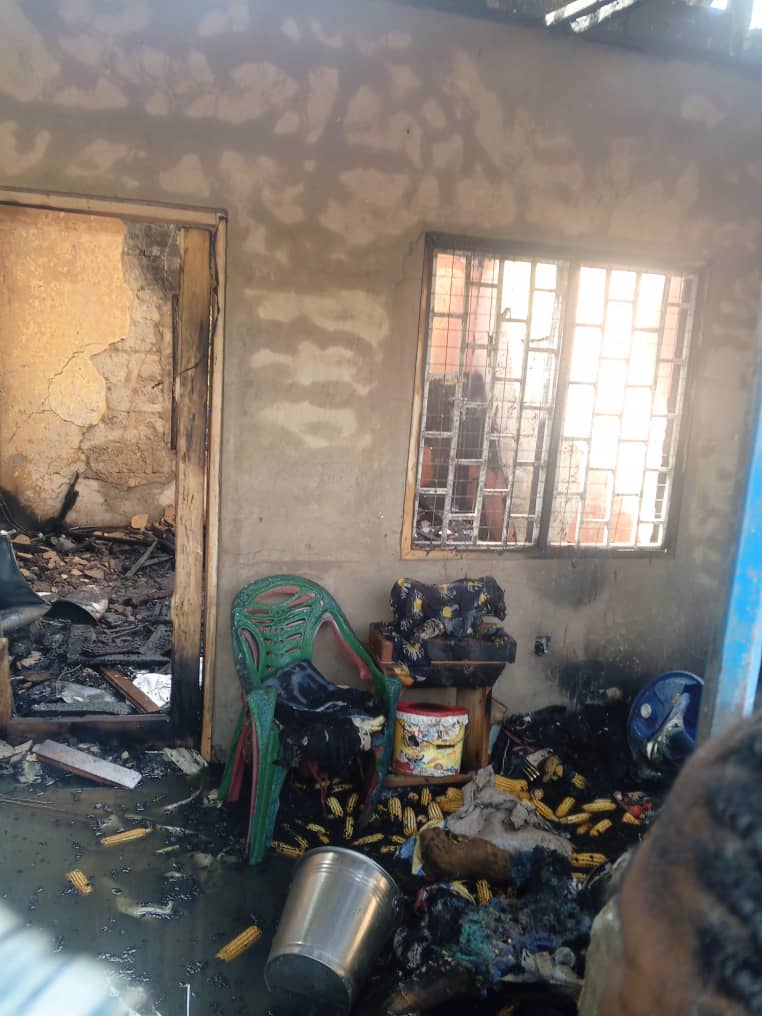
The unprecedented rebuke comes amidst reports of continued violence, civilian casualties, and military operations that have left several people dead and injured.
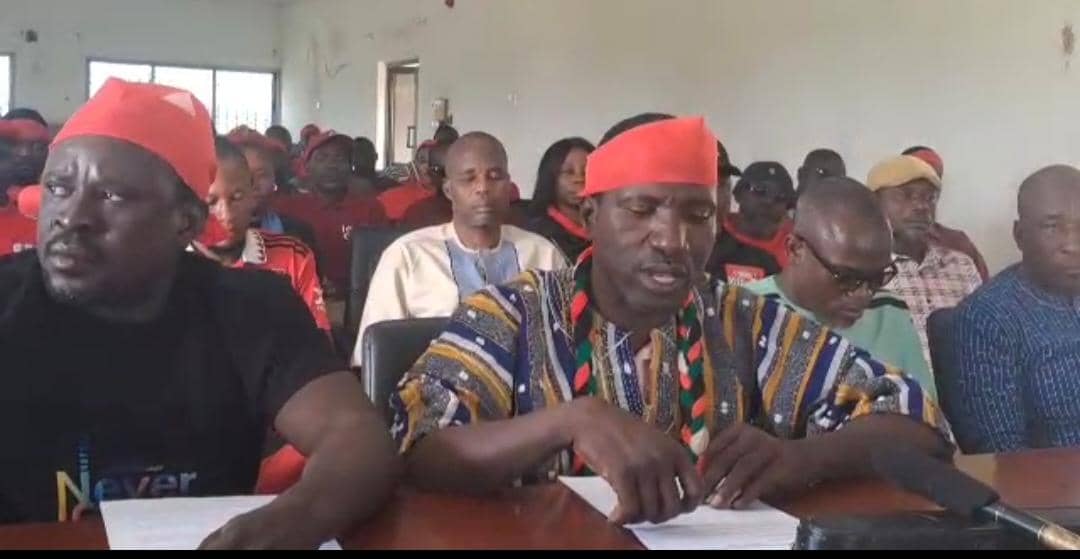
At a press conference held on July 15, 2025, in the heart of the embattled Kusaug region, the executives from Bawku Central, Binduri, Garu, Tempane, Pusiga, and Zebilla declared their disappointment and disillusionment with what they described as betrayal and abandonment by a government they campaigned and bled for.
“We Have Reached Our Limit”
Addressing the media, the visibly emotional executives expressed “deep alarm and outrage” at what they described as state-sanctioned violence and “barbaric” military operations targeting innocent civilians, including women and children.
The group decried recent military actions which allegedly resulted in fatalities, school invasions, and injuries to students, warning that the people of Kusaug are “at their breaking point.”
“The trust we placed in President John Dramani Mahama and the NDC government during the 2024 elections has been dangerously eroded,” the group stated.
“We voted not just for development, but for survival. Today, our people are bleeding, and the government is silent.”
Anger Over Outsourcing of Peace Talks
One of the central grievances expressed by the executives was the Mahama government’s decision to entrust the resolution of the long-standing Bawku conflict to the Asantehene, Otumfuo Osei Tutu II.
While acknowledging the Asantehene’s stature and neutrality, the executives argued that delegating such a volatile matter to a traditional leader, instead of using state mechanisms, reflects a lack of commitment and political will.
“There is a growing perception that the government has chosen political expediency over justice. Violence perpetrators walk free while our communities are militarized,” they said.
Backlash Against the Defence Ministry
Compounding the tension is a recent directive by the Ministry of Defence, withdrawing military protection from all civilians, including public officials and former ministers.
While intended as part of a broader reset agenda to restore discipline and accountability, the decision has further agitated communities in Bawku, where civilian safety is increasingly compromised.
According to Defence Minister Dr. Edward Omane Boamah, the directive aims to stop the abuse of military personnel for private security arrangements.
But to the Kusaug NDC executives, the timing could not be worse. “While our people are being massacred, protection is being stripped away from even the most vulnerable,” one speaker lamented.
A Brewing Political Crisis Within the NDC
What makes the situation more politically explosive is that the criticism is coming from within the governing party’s own base in the north.
The Constituency executives who once formed the frontline of Mahama’s campaign machinery now say their lives are under threat—not just from the violence, but from constituents who feel betrayed.
“Our people now see us as part of the system that has failed them,” they declared.
“We cannot continue to risk our lives and integrity for a government that does not respect us.”
The executives further accused the government of failing to decisively resolve the Tinsungo chieftaincy conflict—one of the root causes of the violence in the region.
Majority Leader Appeals to Asantehene Amid More Deaths
Coinciding with the press conference, Majority Leader and MP for Bawku Central, Mahama Ayariga, made a public appeal to the Asantehene to expedite mediation efforts.
Speaking at a news conference in Parliament, Ayariga confirmed that six people were killed during a recent military operation in Bawku, with over 20 others injured.
“We know it’s a complicated matter, but the earlier it is resolved, the better for us all,” he pleaded.
Mounting Pressure on the Mahama Administration
The escalating violence and internal backlash now threaten to undermine the Mahama government’s Reset Agenda and raise questions about its commitment to inclusive governance and justice for all regions.
Despite efforts to restructure national security and reform the use of military personnel, critics argue that Bawku’s ongoing crisis exposes systemic failures in the government’s peacebuilding approach.