-BY Daniel Bampoe
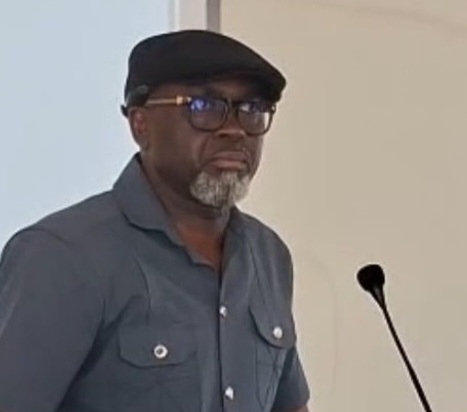
Former General Secretary of the New Patriotic Party (NPP), Kwabena Agyei Agyapong, has officially submitted a set of constitutional reform proposals that could significantly alter the party’s internal electoral process.
In a memorandum dated April 17, 2025, and addressed to the NPP Constitution Amendment Committee chaired by Frank Davies, Agyapong called for the presidential primaries to be held first — ahead of all other internal elections — once the party’s electoral college has been expanded.
The proposals, presented following the NPP’s National Executive Committee (NEC) meeting held at the Alisa Hotel in Accra on April 16, 2025, aim to restructure the party’s electoral procedures to enhance fairness, reduce internal tension, and increase participation.
A Case for Presidential Primaries First
Central to Kwabena Agyei Agyapong’s proposals is a call to amend the electoral calendar of the NPP to prioritize presidential primaries immediately after the reconstitution of the party’s electoral college.
He argues that conducting the presidential primaries first would reduce the friction and factionalism that often arise during the lengthy period of internal party contests leading up to the flagbearership race.
“This approach aligns with Article 13(1) of the party’s current constitution and promotes a more logical and less contentious electoral timeline,” he stated in the memo.
Expanding the Electoral College
Agyapong also proposed the formation of “Constituency Caucuses” in all 276 constituencies across the country.
These caucuses would include all current and former party officeholders, such as Members of Parliament, District and Municipal Chief Executives (DCEs/MCEs), Constituency Executives, Electoral Area Coordinators, Polling Station Executives, and recognized Patrons and Elders of the party.
This initiative, according to Agyapong, represents a “limited enlargement” of the party’s electoral college to ensure broader consultation and grassroots representation in key decision-making processes.
Abolishing the Special Electoral College
Perhaps the most consequential proposal is Kwabena Agyapong’s call to expunge Article 13(9) of the NPP Constitution, which currently mandates the formation of a special electoral college to shortlist presidential aspirants to five.
He criticized the current arrangement for being “susceptible to manipulation,” given that the special college is made up of fewer than 1,000 members.
“The current structure undermines democratic fairness,” Agyapong emphasized, advocating instead for a more inclusive, expanded electoral base to decide the full slate of presidential aspirants.
Context and Political Significance
Kwabena Agyapong’s proposals come at a time when the NPP is preparing for a crucial internal reorganization as it seeks to rebuild after its loss in the 2024 general elections.
His suggestions are seen as part of a broader push within the party to democratize its internal systems, reduce elite control, and empower the grassroots.
The former General Secretary, who has previously declared interest in the party’s presidential candidacy, is positioning himself as a reformist voice in the NPP.
These proposed reforms could resonate strongly with party members disillusioned by what they see as a top-heavy decision-making structure.